Why Your Zones Are Probably Wrong (and How to Fix Them)
The Symptom: Your "Easy" Ride Feels Like a Tempo
I'll start with a specific Tuesday in March. I was out on the Tarmac SL7 doing what I thought was a Zone 2 spin — 55 to 70 percent of max heart rate, conversational pace, the whole deal. Twenty minutes in, my Instinct 2 Solar was reading 148 bpm. By minute forty, it was 161. Same cadence, same gradient, same effort. But the number kept climbing, and my "easy" cap was now sitting right on top of what I'd call tempo.
If you've ever finished a ride wondering whether you actually trained or just slowly cooked yourself, your zones are probably wrong. Not because the math is broken. Because the number you plugged in six months ago no longer matches the athlete you are today.
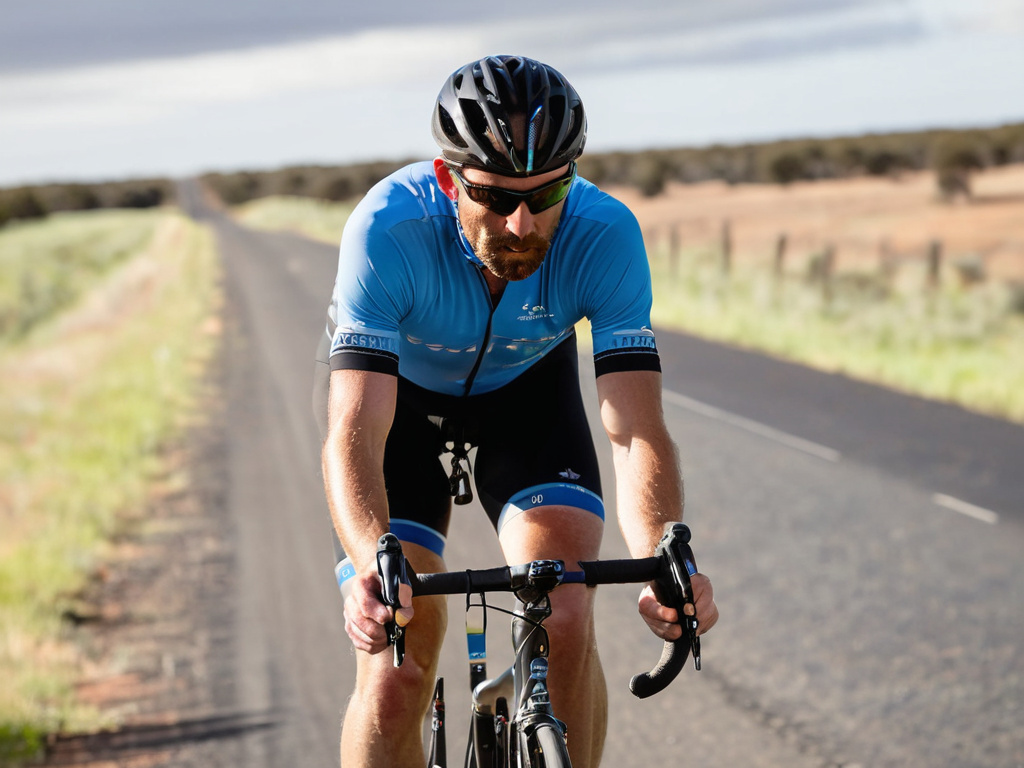
Why Your Zones Went Stale
Two things kill zone accuracy, and they operate on different timelines.
FTP drifts. Your functional threshold power is not a permanent fixture. It moves with fitness, sleep, stress, and the season. A number you set in September and carried through January will quietly mislabel every single session. What your Edge 540 logs as "Zone 2" might actually be Zone 3 if your FTP dropped after a cold, or it might be Zone 1 if you've been training consistently. The label is wrong either way, and you're building a training plan on a moving target.
Heart-rate drift on long rides. This one bites harder on the 100km road race prep I write about here. As a ride extends past ninety minutes, your heart rate climbs at the same power output. Cardiovascular drift is physiological, not a sign you're "doing it wrong." But if your Zone 2 cap is set as a fixed percentage of max HR — say 70 percent — then minute 120 of a long ride pushes you over that line even though your effort hasn't changed. A fixed HR ceiling stops being "easy" the moment the ride gets long enough.
The fix for both problems is the same: retest, re-anchor, and adjust how you interpret the numbers on longer efforts.
The Exact Fix: Recalibrate Before Your Next 100km
This is part of a three-part series on FTP testing and training zones for riders who don't have a power meter. Part one, How to Do a 20-Minute FTP Test, covers the protocol; part two, Build Your Training Zones From an FTP Test, covers the full setup. What follows is the recalibration step and the zone table you'll actually use.
The math, stated plainly
With a power meter (I run Vector pedals on the Tarmac SL7): FTP is 95% of your 20-minute average power. Multiply the 20-minute average by 0.95. That's it. No fudge factors, no "feel-based" adjustments.
With heart rate only: do a 20-minute all-out sustained effort. Your threshold heart rate is the average heart rate over the last 10 minutes of that effort. Not the first ten. Not the whole twenty. The last ten, because that's where steady-state settles in.
Retest two to four weeks before your target 100km road race. Anchor Zone 4 to that measured threshold heart rate. Then keep easy truly easy through the final block of training — the 12-week 100km race-prep plan on this site is structured around exactly that principle, with the last three weeks pulling back volume so your threshold number stays honest.
Here's the five-zone table you'll reference for every ride:
| Zone | Name | Power (% of FTP) | Heart rate (% of max HR) | What it's for |
|---|---|---|---|---|
| 1 | Recovery | below 55% | 50-60% | Easy spinning and recovery rides; full conversation, legs feeling fresh. |
| 2 | Endurance | 55-75% | 60-70% | Comfortable aerobic work; where most of your training hours belong. |
| 3 | Tempo | 76-90% | 70-80% | Comfortably hard; short sentences only, sustainable for a long while. |
| 4 | Threshold | 91-105% | 80-90% | At or near FTP; about one hour max, one-word answers. |
| 5 | VO2max | above 105% | 90-100% | Maximal effort; one to three minutes at a time, then you must back off. |
On my Garmin ecosystem — Edge 540 for the bike, Instinct 2 Solar on the wrist — I set the zones manually in the watch firmware after each retest. The process:
Settings > Devices > Heart Rate > Max HR (update if age/fitness shifted)
Settings > Devices > Heart Rate > Threshold HR (enter your last-10-min average)
Settings > Activities > Bike > Zones > Power (enter % of new FTP for each zone)
Settings > Activities > Bike > Zones > Heart Rate (enter % of max HR for each zone)
If you're on a different platform, the inputs are the same: max HR, threshold HR, and FTP. The firmware just wraps them differently.
How to Verify Your New Zones Actually Work
A recalibration is only as good as the next ride. Here's what I check:
-
Ride 30 minutes at what your watch now calls Zone 2. You should be able to hold a full conversation — not a monologue, a back-and-forth. If you're gasping for breath at minute twenty, your cap is too high or your threshold HR input is wrong.
-
Do a 15-minute effort at the top of Zone 3. It should feel "comfortably hard." You can say a short sentence, but not a paragraph. If it feels like you're already in Zone 4, your FTP is set too low or your threshold HR too high.
-
On the next long ride (90+ minutes), watch for drift. Note your power at minute 30 and again at minute 120. Your heart rate will be higher at minute 120. That's expected. What you're checking is whether your power stayed in the same zone. If it did, your zones are calibrated correctly and the HR drift is just physiology doing its thing.
If all three checks pass, you're set for the next training block.
When the Numbers Still Don't Add Up
Sometimes you retest, update everything, and the zones still feel off. A few things to troubleshoot before you assume the system is broken:
-
Your max HR is wrong. If you set it twenty years ago using the "220 minus age" formula, it's probably off by 10 to 15 beats. Do a short all-out track sprint on the velodrome (or a steep, short hill if you're road-only) and let your HR peak. That's your real max. Update it first, then recalculate every zone percentage.
-
You're training in heat different from your test. South Australian summers are no joke. A FTP test done in a mild 18°C morning will produce a lower HR than the same power output on a 34°C afternoon. If you retest in winter and ride in summer, expect your HR zones to sit 5 to 8 bpm higher at the same effort. You have two options: accept the drift and use power as your primary zone input (which is what I do with the Vector pedals), or retest in the season you'll actually race.
-
The ride is longer than your test. A 20-minute FTP test tells you about sustained effort at that duration. A 100km road race is four to five hours. Your aerobic engine will produce a slightly lower average power over that distance, and your HR will drift upward. This doesn't mean your zones are wrong; it means the race itself is a different physiological event. The 12-week plan on this site accounts for that by building long endurance volume before you ever touch threshold work, so your body adapts to the duration before you're asked to hold Zone 4.
If none of the above applies and the zones still feel wrong, the honest answer is: ride the numbers for two weeks, log how each zone felt versus what it was supposed to feel, and adjust one percentage point at a time. You're not trying to match a spreadsheet. You're trying to build a training structure that matches the athlete in the saddle, which is you, on a Tuesday in South Australia, spinning in Zone 2 and actually being able to talk to your mate on the radio.
That's the whole point. The zones are a map. You're still the one riding.
If this was useful, Get the free 12-week plan. No pressure — read it whenever it's useful.
Spot a bug or want a custom utility built? I'd love to hear from you. Get in touch