100km Race Prep, Weeks 1-2: Base Volume Without Burning Out
Every 100km prep plan starts the same way: easy volume, build the base, don't push it. I do exactly that in weeks 1 and 2 - four rides a week, nothing above steady. But I run them for a different reason than most plans intend: the first fortnight is a measurement campaign, not just a warm-up.
Why Calibration Comes Before Volume
A twelve-week plan is really a series of comparisons. In week five I'll be doing race-pace intervals and need to know whether they're landing at the right effort; in week seven I'll be riding back-to-back long days and need to know what normal feels like when I'm already tired. Every comparison is only as good as its baseline, and that baseline can only come from me - my bike, my sleep, my job, my legs on a day when they don't feel great.
So by the end of week two I want three measurements that no generic plan will hand you:
- What steady actually costs on a tired day, not just on a fresh Saturday morning.
- How my heart rate drifts on a long ride when I fuel properly versus when I skip food because "it's easy."
- What four rides per week really cost me once the commute, the house and the sleep debt are in the equation.
None of those requires a hard session, which is why weeks 1 and 2 contain no threshold work, no intervals, nothing above steady. The volume is real - it's building the aerobic base right now. But the primary output of these two weeks is data about me, not progress on the plan.
The Zones I'm Measuring Against
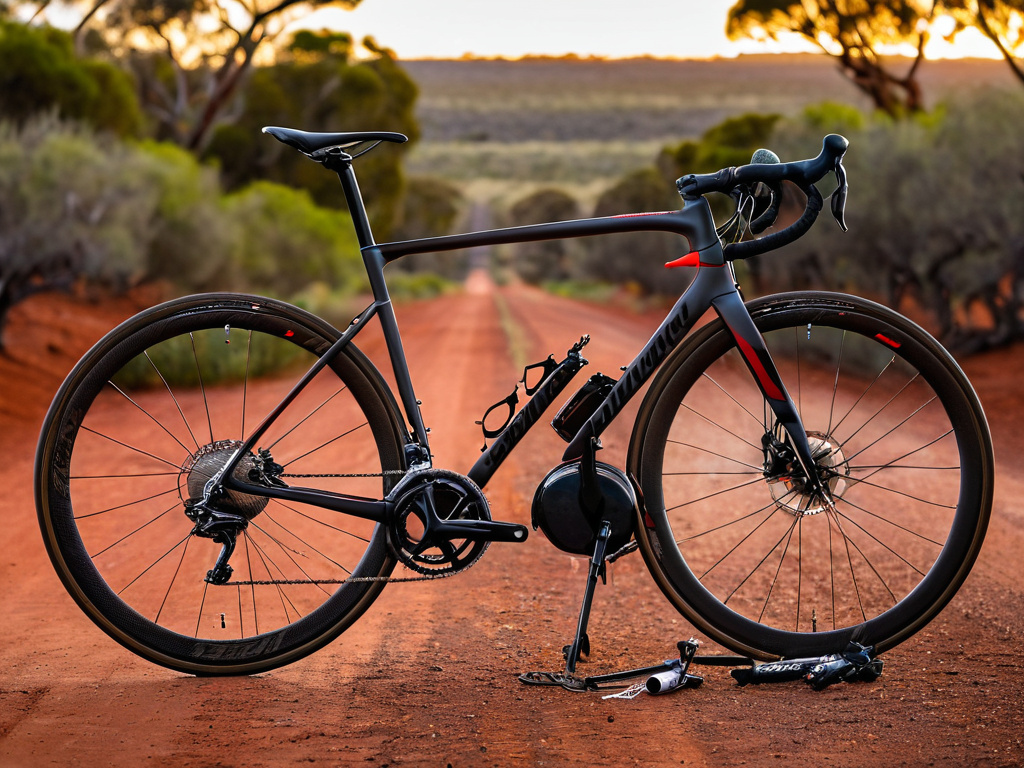
"Easy" means a different wattage to every rider who says it, and that ambiguity is where amateur plans quietly die. Here are the zones I use across this series, entered into my Edge 540 from my FTP test on the Tarmac SL7:
- Easy: below 75% of FTP. Conversational. You could hold it for hours.
- Steady: 76-85% of FTP. Comfortably hard, short sentences. The workhorse zone for these two weeks.
- Threshold: 85-91% of FTP. We don't touch it until 100km Race Prep, Weeks 3-4: Endurance Threshold Work.
The thing I want to learn in week one is the gap between the power file and the feel. The same steady wattage on a fresh morning costs almost nothing; on a Tuesday after a bad night's sleep it costs noticeably more heart rate, even though the power meter shows an identical trace. That gap isn't noise - it's the most useful signal in the block, because it tells me how much recovery budget I really have. That number decides the conditional fifth ride in week two.
A word on gear while we're calibrating: the 50mm wheel setup on the Tarmac SL7 saves real watts at mid-pack speed, and I care about those gains. But at the efforts of these first two weeks it isn't the variable I'm trying to measure, so the bike stays exactly as-is. The aero question gets its own check later in the block - a main job of 100km Race Prep Weeks 7-8: Back-to-Back Rides + Aero Check.
Week One: Four Rides and One Fueling Experiment
The shape of week one is deliberately boring. Two midweek steady sessions of about an hour each. One short easy spin to keep the legs turning. And one long ride - two and a half hours, entirely easy, with the final thirty minutes at "not too hard," meaning anything under the top of the steady zone.
The only experiment in week one is on that long ride, and it's a fueling one: I start eating at minute thirty and stay in the standard 30-60 grams of carbohydrate per hour for the rest of the ride - gels, chews, whatever I actually own. Then I watch my heart rate in the final hour compared with past long rides where I skipped food because the effort felt easy. If fueling is doing its job, the drift stays gentle and the last thirty minutes feel like the first hour rather than a different sport.
That habit is the whole point. By the time race-pace work arrives in 100km Race Prep, Weeks 5-6, eating at minute thirty has to be as automatic as clipping in. I want fueling to be something my hands do without my brain's permission - not a decision I make mid-ride when every other decision is already being made for me.

Week Two: Same Volume, Different Shape
Week two keeps the same four-ride skeleton but changes the shape of the steady work. Instead of two equal midweek blocks, one stretches to ninety minutes and the other drops to forty-five. Same total time, different structure - and that longer block is the first real test of whether the aerobic base can hold a single unbroken effort past the hour mark. I watch for drift after minute seventy: if the power stays flat while the heart rate climbs, the base is working.
The long ride grows from two and a half hours to three, and the back end tightens. The final forty-five minutes run at steady - the only time in these two weeks we touch the upper part of that zone, placed at the very end on purpose, when the tank is low enough to feel what the top of steady actually costs after a long day in the saddle.
The fifth ride is conditional. Before any extra spin gets added, three morning checks have to pass: overnight heart-rate variability within my normal range on the Instinct 2 Solar, resting heart rate at or near baseline, and at least seven hours of sleep the night before. If any one misses, I leave the extra ride out of the week - a budget decision, not a verdict on me. Four well-recovered rides build more than five half-recovered ones; the extra ride mostly spends itself on the next day.
Reading the Data Without Overreacting
This is where the dataset framing earns its keep. I'm an average athlete with a power meter - I argue with my own data instead of taking anyone's word for it. The unit of analysis in weeks 1 and 2 is the week, never a single ride. One flat Tuesday means nothing: it might be the weather, a bad dinner, or a meeting that ran long. But a whole week where the same steady wattage costs noticeably more heart rate than the week before is a signal - and the correct response is to drop a ride, not push harder.
By the end of week two I should have three things: a feel for what my steady zone really costs on tired days, a fueling habit automatic enough to trust under race stress, and a clean baseline of power, heart-rate drift and perceived effort across four-ride weeks. That baseline is what weeks 3-4 builds on - the threshold work gets embedded into these same steady time blocks, so if the base and the habit aren't in place, those sessions feel like punishment instead of progression.
And for everyone coming off a track winter: the flying laps and pursuit efforts are what your legs are used to, so a flat steady road ride can feel like a waste of a morning. It isn't. The 100km rewards the opposite skill - holding position, managing fuel, making small decisions like when to feed or when to sit up and breathe for ten seconds. None of that shows up as a power spike; all of it shows up in who's still in the game at the finish.

If this was useful, Get the free 12-week plan. No pressure - read it whenever it's useful.
Spot a bug or want a custom utility built? I'd love to hear from you. Get in touch